Iran-Israel Conflict Day Four: Ground Forces, Dead Commanders, and a Gulf War Nobody Planned For
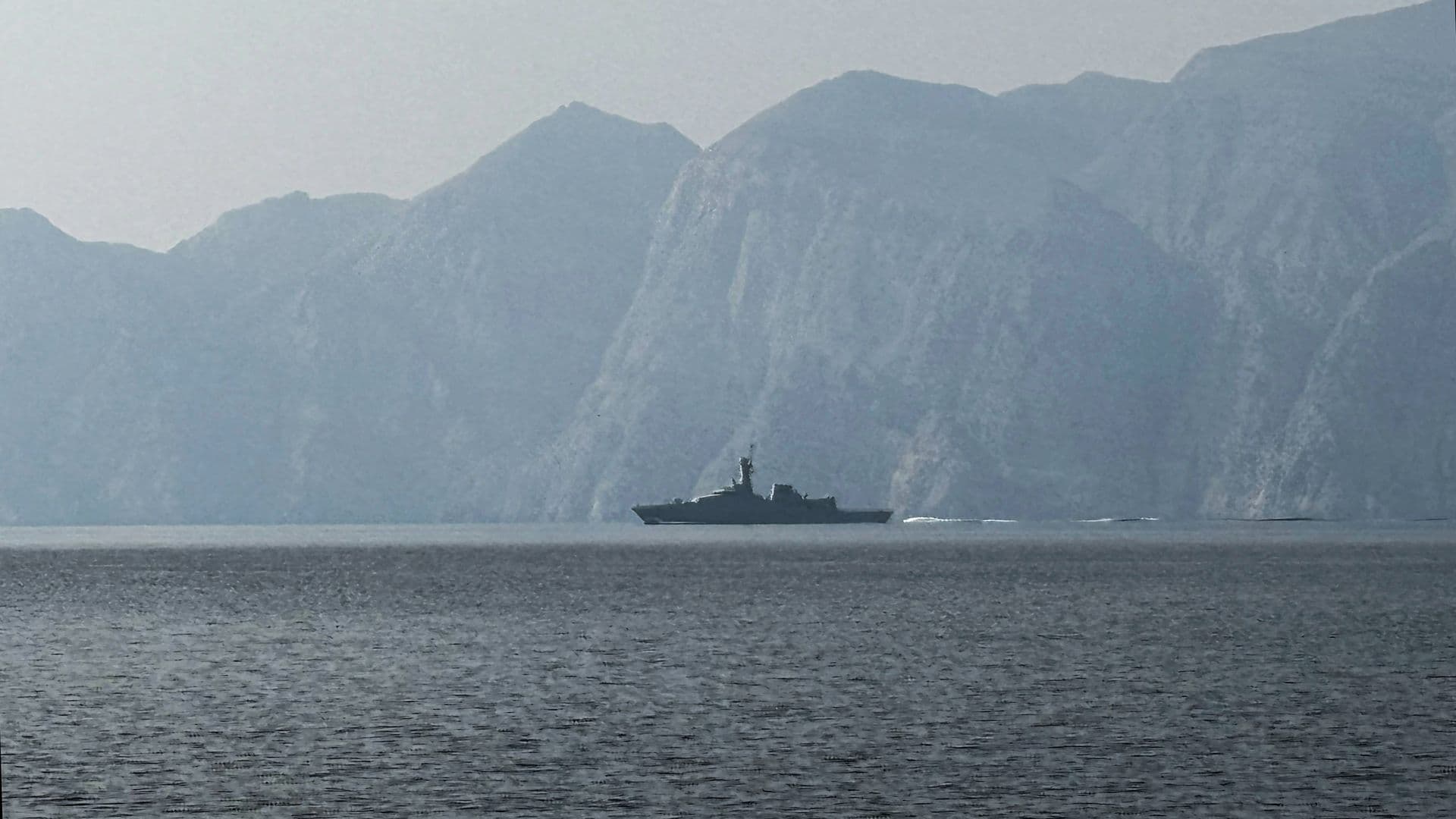
Four days in and the conflict has outrun most of the frameworks analysts were using to track it. Israel is now fighting on two fronts simultaneously. Gulf states that were supposed to stay on the sidelines are shooting down Iranian aircraft. And a senior American diplomatic post has been hit by drones in Riyadh. The word "escalation" gets used so often in Middle East coverage that it loses meaning, but what happened on Day Four is worth examining closely, because several of these developments don't have clean historical precedents.
What follows is an account of where things stand and what the more significant developments actually mean.
The Ground War in Lebanon
Israel sent elements of the 91st Division into southern Lebanon on Tuesday, the first ground operation there since 2006. The IDF is framing it as a "forward defense" measure, targeting Hezbollah infrastructure and seizing terrain that provides observation and buffer along the northern border. The Lebanese army, for its part, pulled back from at least seven border positions rather than risk a direct confrontation.
Hezbollah responded quickly, launching rockets and drones at three Israeli military installations in northern Israel and the Golan. One person was lightly injured. The exchange marks Hezbollah's formal entry into active combat operations, after weeks of restraint following the November 2024 ceasefire.
The IDF is simultaneously running strikes in Tehran and Beirut. That's not a typo. Two wars on two fronts, coordinated from a single command structure. IDF Chief of Staff Eyal Zamir has said the Lebanon operation may last several days, which suggests it's intended as a finite clearing action rather than a reoccupation. Whether Hezbollah cooperates with that timeline is a different question.
Two Commanders Dead in Two Countries
The IDF confirmed Tuesday that Reza Khazaei, chief of staff of the Quds Force's Lebanon Corps, was killed in a Navy strike on Beirut's southern suburbs the night before. Khazaei's job was managing the flow of Iranian weapons and resources into Lebanon — essentially the logistical architecture of Hezbollah's military capacity. His death matters not because he was a high-profile figure in the Soleimani mold, but because he was a functional one. Replacing the institutional knowledge of someone who managed those supply networks takes time.
Later on Tuesday, the IDF announced a second kill: Daoud Alizadeh, acting commander of the Quds Force's Lebanon Corps, struck in Tehran. Alizadeh had stepped into the role after his predecessor was killed in Damascus in April 2024. He was, by IDF's account, the highest-ranking Iranian officer directly responsible for Lebanon operations. That two consecutive commanders of the same unit have now been eliminated in the span of this conflict is worth noting as a pattern.
Iran's Quds Force has proven resilient after past leadership eliminations, including after Soleimani in 2020. But losing two consecutive Lebanon Corps commanders within the span of a single week is a different kind of attrition.
Mossad Inside Iran: Unconfirmed
Al-Arabiya reporting from Monday night claims Israeli special forces and Mossad operatives conducted operations inside Iranian territory. This has not been independently confirmed and should be treated as unverified. If it's accurate, the implications for Iranian domestic security messaging are severe, and Tehran's response would likely target Israeli personnel or embassies overseas. If it's wrong, or if Iran cannot confirm it without admitting a security failure, expect silence.
Qatar Shoots Down Iranian Aircraft
On March 2nd, Qatar's Ministry of Defense announced the Qatar Emiri Air Force shot down two Iranian Su-24 tactical bombers that were inbound from Iran. The same statement confirmed interception of seven Iranian ballistic missiles and five additional drones. Two drones struck a power plant at Mesaieed and an energy facility at Ras Laffan before defenses could respond.
This is the part of Day Three's developments that hasn't received proportional coverage. Qatar hosts Al Udeid Air Base, the largest American military installation in the Middle East. It also, until very recently, served as the primary back-channel between Washington and Tehran on nuclear negotiations and regional de-escalation. Qatar shooting down Iranian manned aircraft changes its status in this conflict from mediator to belligerent. That has consequences for any diplomatic path out, and it may have been unavoidable given that Iran targeted Qatari territory directly, but it still changes the picture considerably.
The QEAF operates F-15QAs, Rafales, and Eurofighter Typhoons, and it's worth noting that an RAF Typhoon operating as part of the joint UK-Qatar No. 12 Squadron had already shot down an Iranian drone on March 1st. British forces are now operationally involved in air defense of Qatar.
The Riyadh Embassy Strike
Two Iranian drones struck the US Embassy compound in Riyadh. Both embassies in Kuwait City and Riyadh are closed until further notice. The State Department has ordered non-emergency personnel out of six countries and issued "depart now" advisories to American citizens in fifteen Middle Eastern nations.
Attacks on US diplomatic facilities have a specific history. The 1979 Tehran hostage crisis, the 1998 East Africa embassy bombings, Benghazi in 2012 — all produced significant US policy and military responses. The Trump administration's reaction here hasn't been announced as of publication, but Trump stated publicly that Americans would learn the US response "soon." Rubio separately said the hardest strikes are still coming. Neither suggests a quiet outcome.
Congress is moving toward a war powers vote this week. The outcome probably matters less operationally than the debate itself, which forces the administration to articulate its legal basis and duration for military action.
Energy and Shipping
Saudi Aramco shut down the Ras Tanura refinery after an Iranian drone strike caused a fire. Ras Tanura processes roughly 550,000 barrels per day. QatarEnergy halted all LNG production the same day, which sent European natural gas futures up 40% in a single session. These aren't market jitters. Production has actually stopped.
The more structural problem is insurance. Underwriters are cancelling war risk coverage for vessels transiting the Persian Gulf. A shipping company cannot legally operate without coverage, which means the commercial logistics of moving cargo through the Gulf is seizing up regardless of whether the Strait of Hormuz is physically blocked. Oil has been rising for three straight sessions and analysts are projecting above $100 a barrel if current conditions hold.
Global equity markets are responding accordingly. South Korea's Kospi fell 7.24% on Tuesday, its largest single-day drop in 19 months. Samsung lost 10% of market cap. S&P futures were down 1.5%, Nasdaq futures off 2%. Defense equities are the only green on the screen, with South Korean defense names up 20-30%.
What to Watch
The US response to the Riyadh embassy strike. A non-response would be historically anomalous and would signal meaningful constraint on US escalation appetite that isn't visible in current public statements.
Hormuz traffic data. Physical vessel movements through the strait are the clearest indicator of whether energy disruption becomes permanent rather than transient.
Qatar's diplomatic posture going forward. Doha has been irreplaceable as a back-channel. That role becomes complicated when Qatari jets are in active combat against Iranian aircraft.
Hezbollah's operational ceiling. Tuesday's rocket and drone attacks were reactive and relatively limited. Whether Hezbollah commits to a sustained campaign or conserves capability is an open question.
Iran's targeting logic. Tehran has been hitting Gulf infrastructure, diplomatic facilities, and US military assets. If that shifts toward Israeli civilian population centers, the escalation calculus changes again.
Where Things Stand
The conflict is no longer contained between Israel and Iran. Gulf states are now shooting at Iranian aircraft. British forces are defending Qatari airspace. American diplomatic posts have been struck. The Lebanese front, dormant since November 2024, is back open. None of the parties showing up in this conflict were planning to be here four days ago, which is part of what makes the next 72 hours difficult to assess.
The original Israeli objective was destruction of Iranian nuclear infrastructure. That objective may or may not have been achieved. But the military campaign has acquired a momentum of its own, and there's no obvious political mechanism for stopping it. The parties who could theoretically mediate — Qatar, Oman, Turkey — are either under attack or already involved. Washington has made clear it's not looking for an off-ramp in the near term.
More to follow as the situation develops.
We're flying people out. Right now.
Commercial aviation is gone. got sof? is actively running private plane evacuations out of the Gulf for individuals, families, and corporate teams. If you need to move, we need to hear from you today.